Leak and water damage advice

Why is my shower or bath leaking?

Bath and shower leaks are often installation or sealing problems, not just failed pipes. The clue is when the leak appears: after showering, after bathing, or only when weight is on the tray.

Reviewed by Pompey Plumb Ltd. Last reviewed 24 June 2026.

  1. Stop using the bath or shower if water is appearing below.
  2. Keep away from wet electrics and damaged ceilings.
  3. Check whether the leak happens only after use.
  4. Take photos of the sealant, screen, tray, waste and damage.
  5. Call for help if damage is spreading or affecting another property.

Quick diagnosis

Start with when the water appears

After showering

Think failed silicone, loose tiles, shower screen leaks, tray movement, cubicle brackets, shower waste or pipework behind the valve.

After a bath

Think bath waste, overflow, taps, bath movement, screen position or water escaping around the bath edge.

Only when stood in

A tray or bath that moves can break seals and open gaps. Support can matter as much as the visible silicone.

Ceiling below affected

Stop using it until checked. In flats or converted houses, tell neighbours, landlords or managing agents quickly.

Photo guide
Common bath and shower leak situations

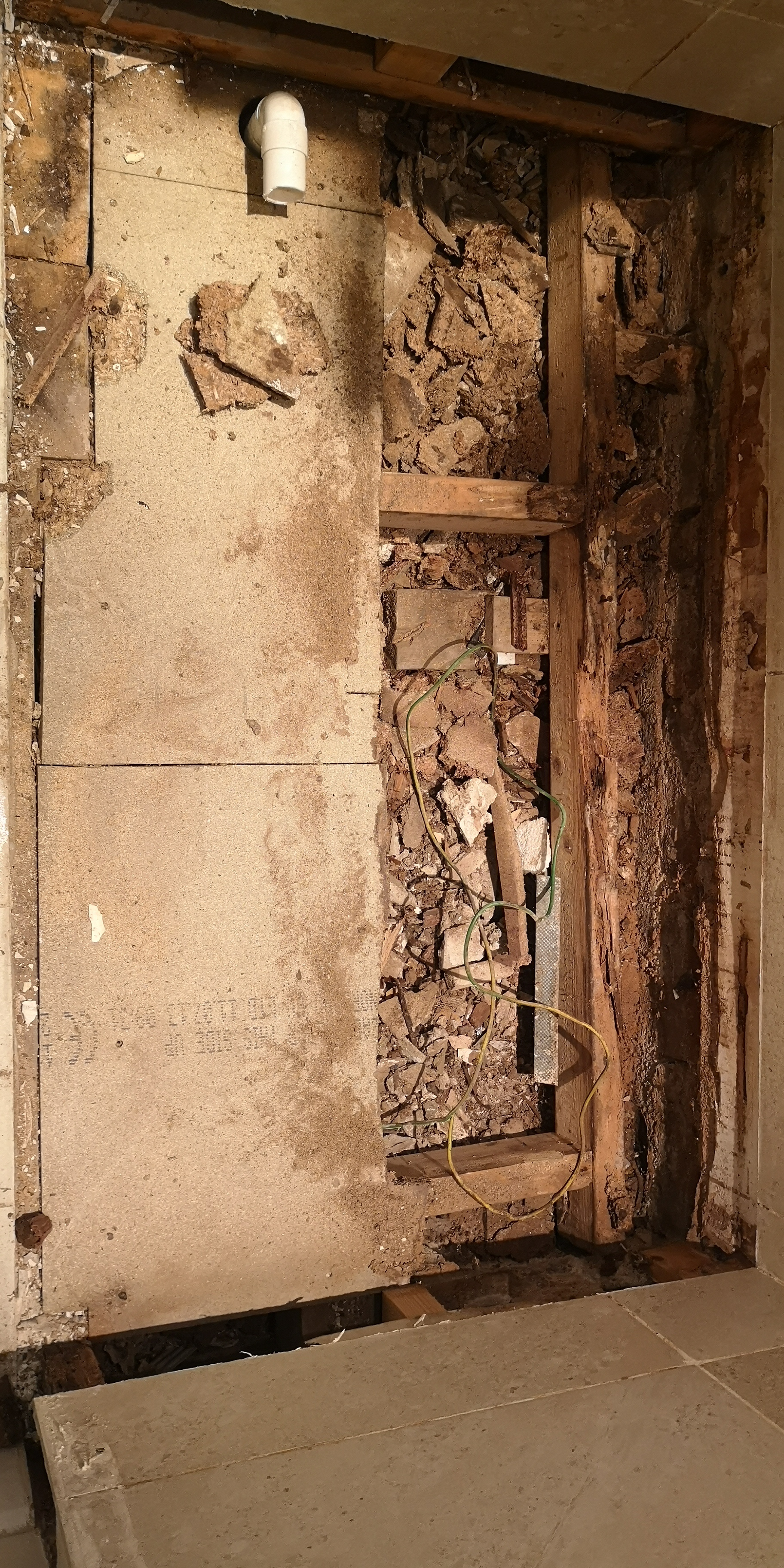
Water damage from a shower tray leak

Shower tray leak damage

Damage around a shower tray can build up before water shows below. Tray movement and failed seals are common causes.
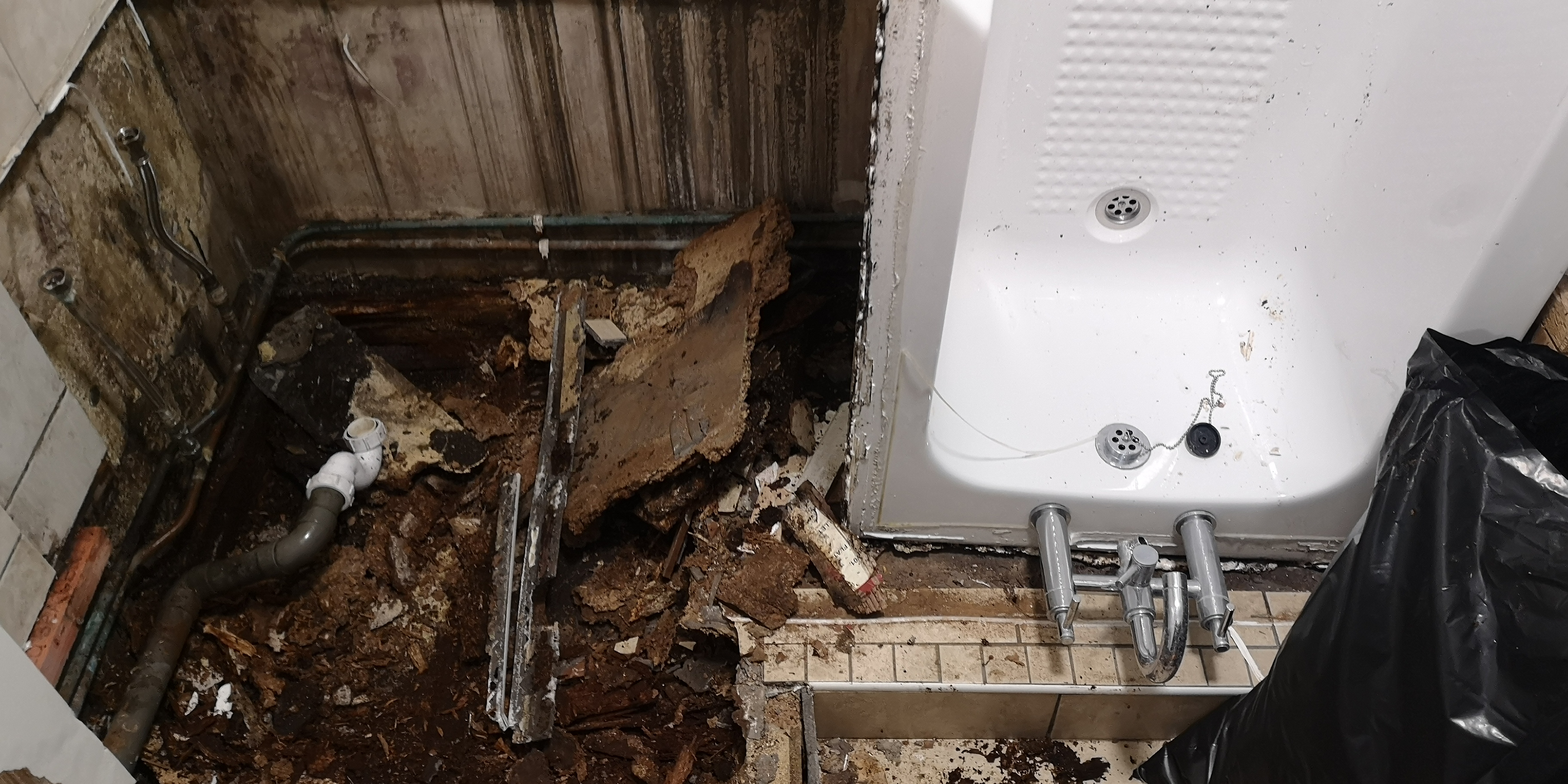
Water damage under a bath

Water damage under a bath

Bath wastes, overflows, shower screens and loose silicone can leak every time the bath or shower is used.
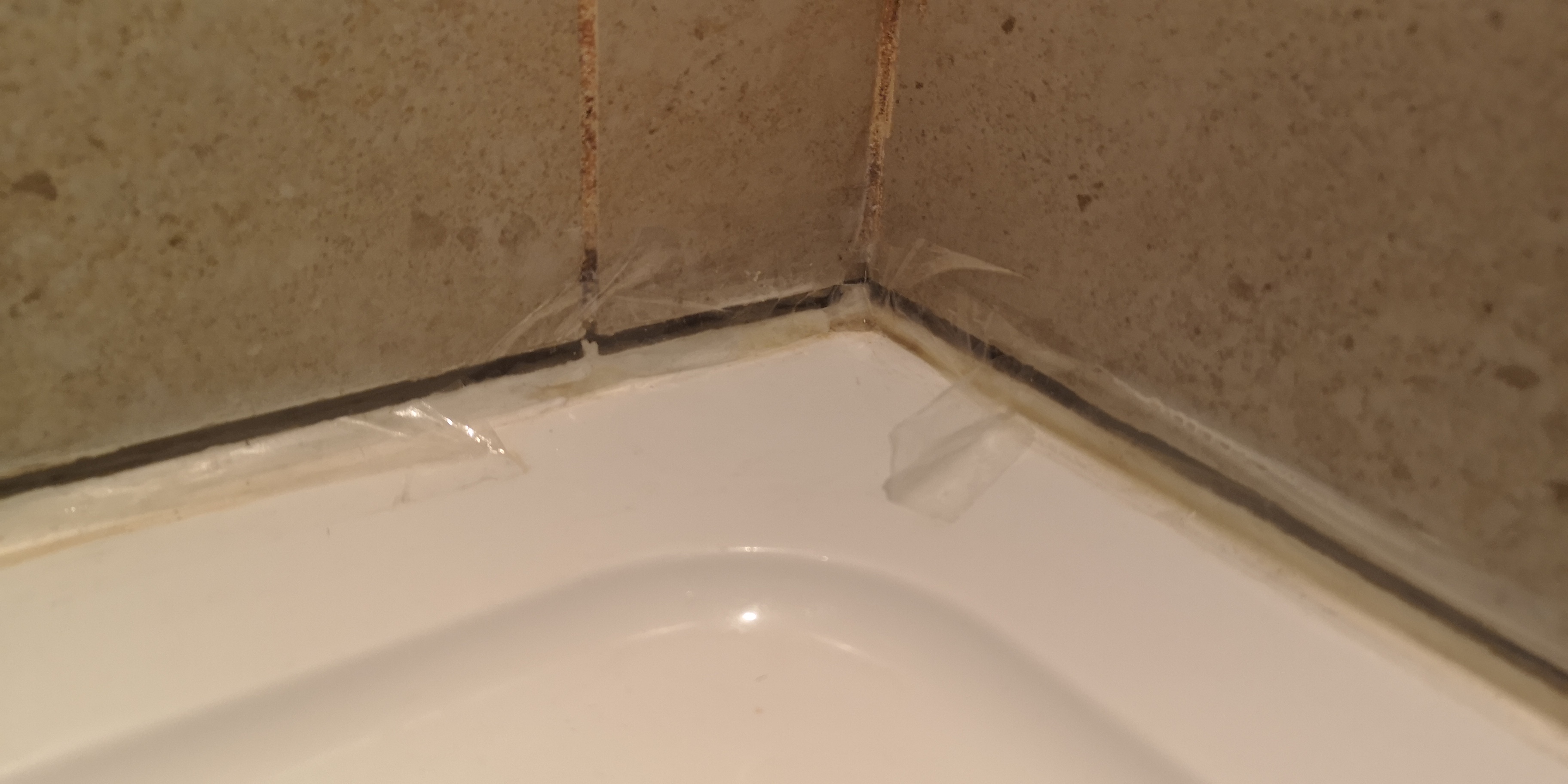
Shower tray area before refit

Poor support

If a tray or bath flexes, the seal can fail repeatedly. Resealing alone may not solve the leak.
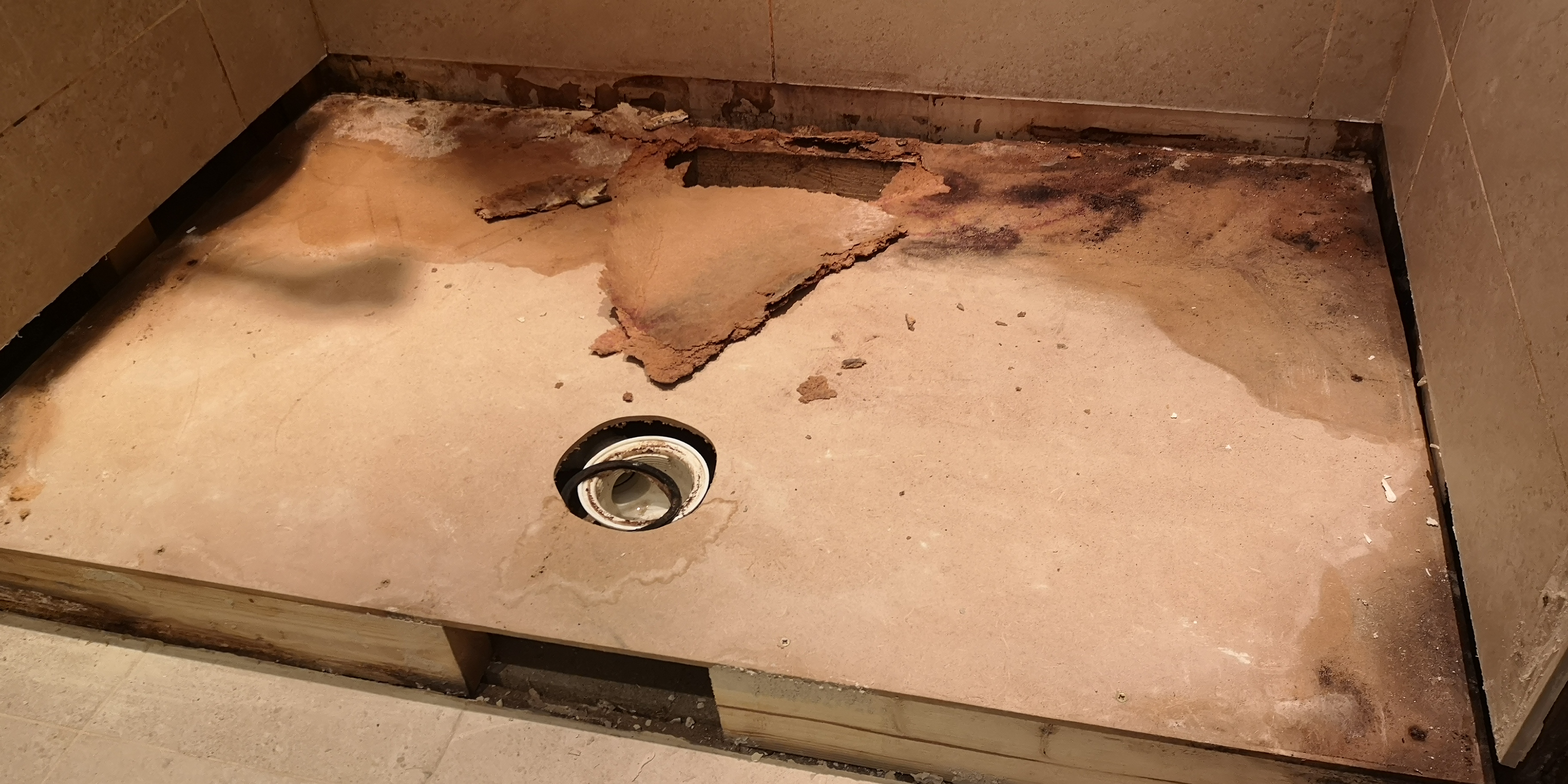
Shower tray refit before repair

Hidden damage

The visible leak may be small, but the damage below a tray or bath can be much larger once opened up.
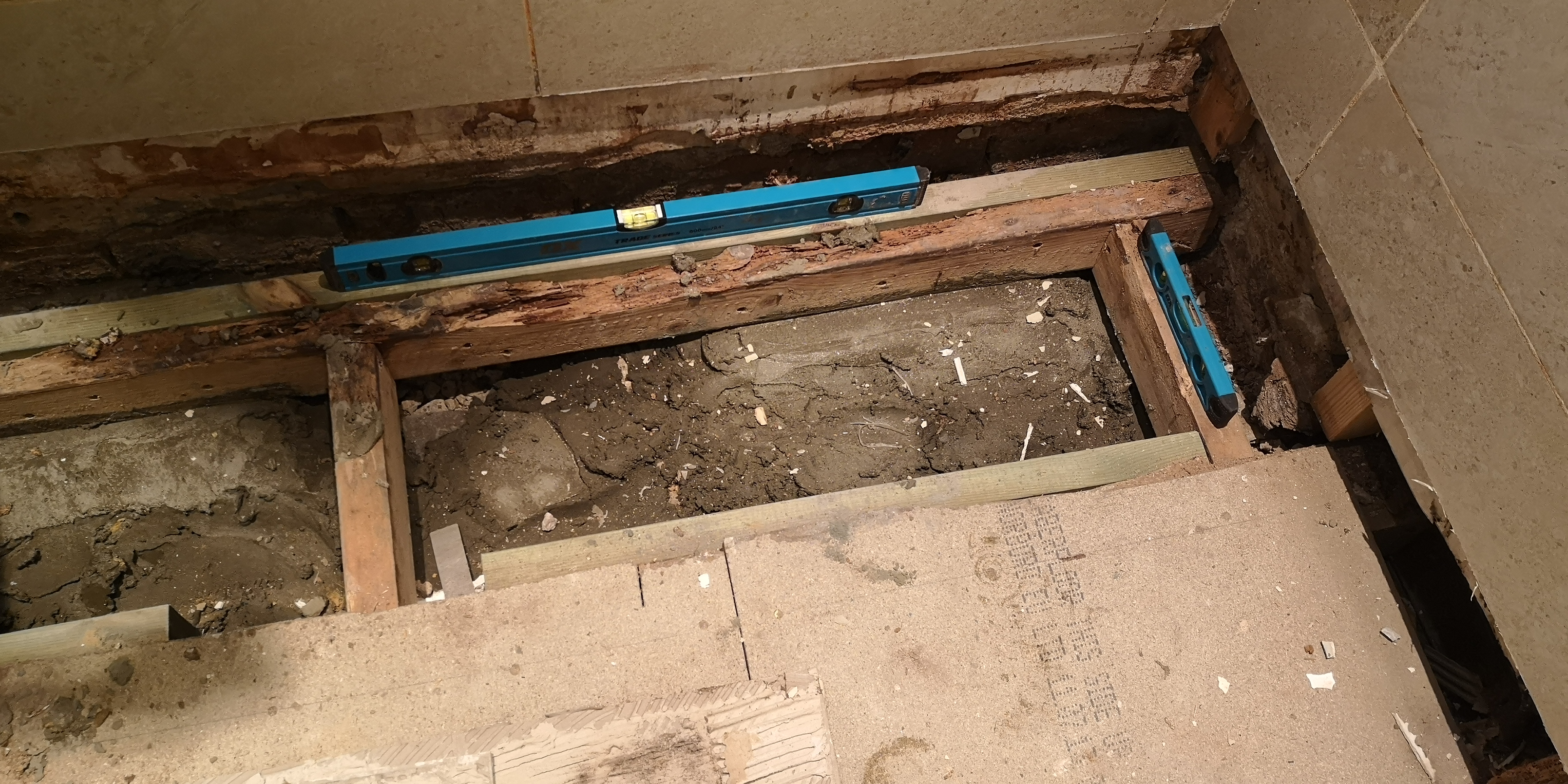
Shower tray refit after repair

Refit and support

A proper repair may involve support, waste access, sealing and making sure the tray or bath cannot move.
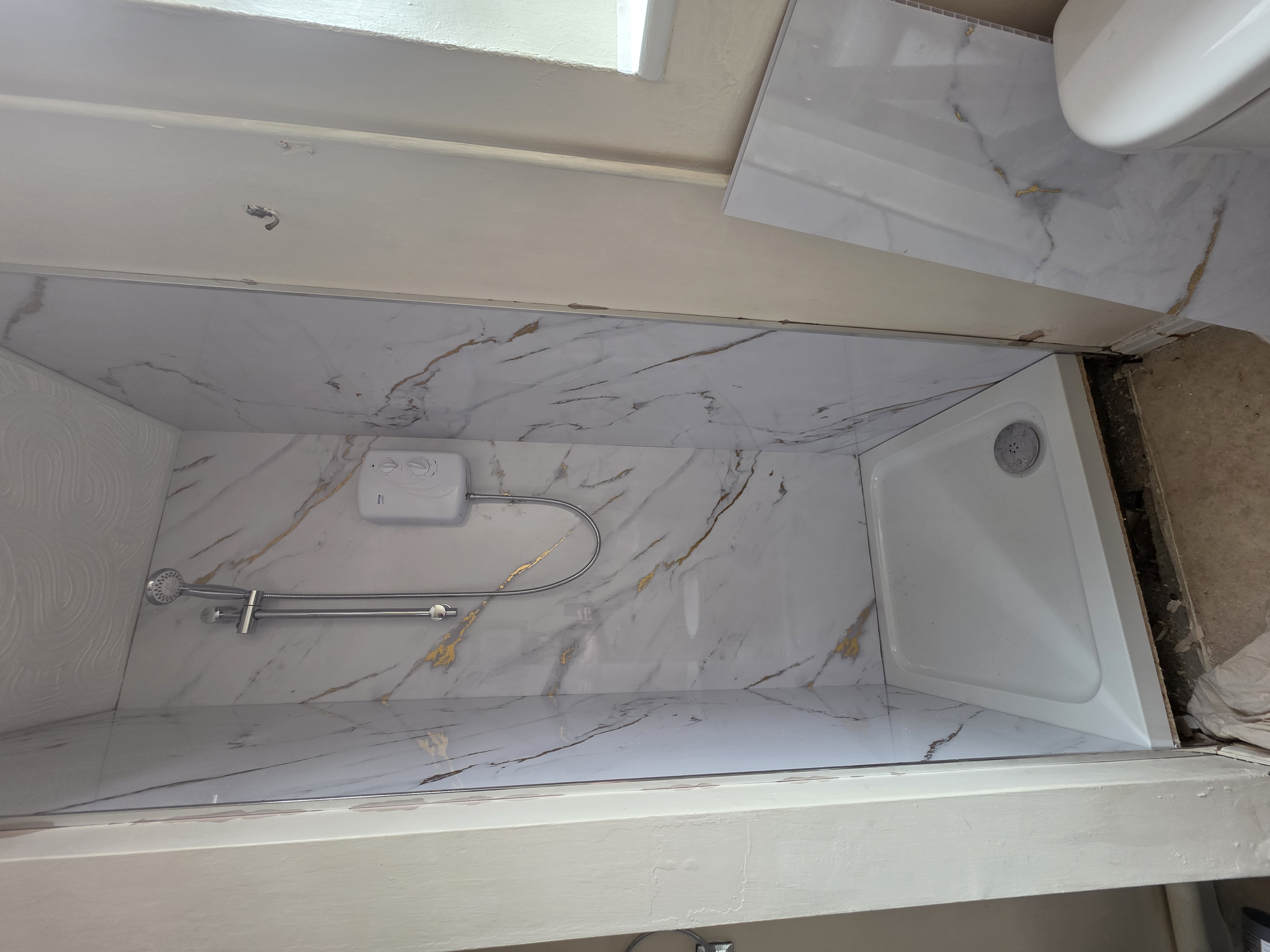
Replaced shower cubicle

Screen and cubicle leaks

Water can pass through poor screen positions, unsealed brackets, badly fitted profiles or tired cubicle seals.
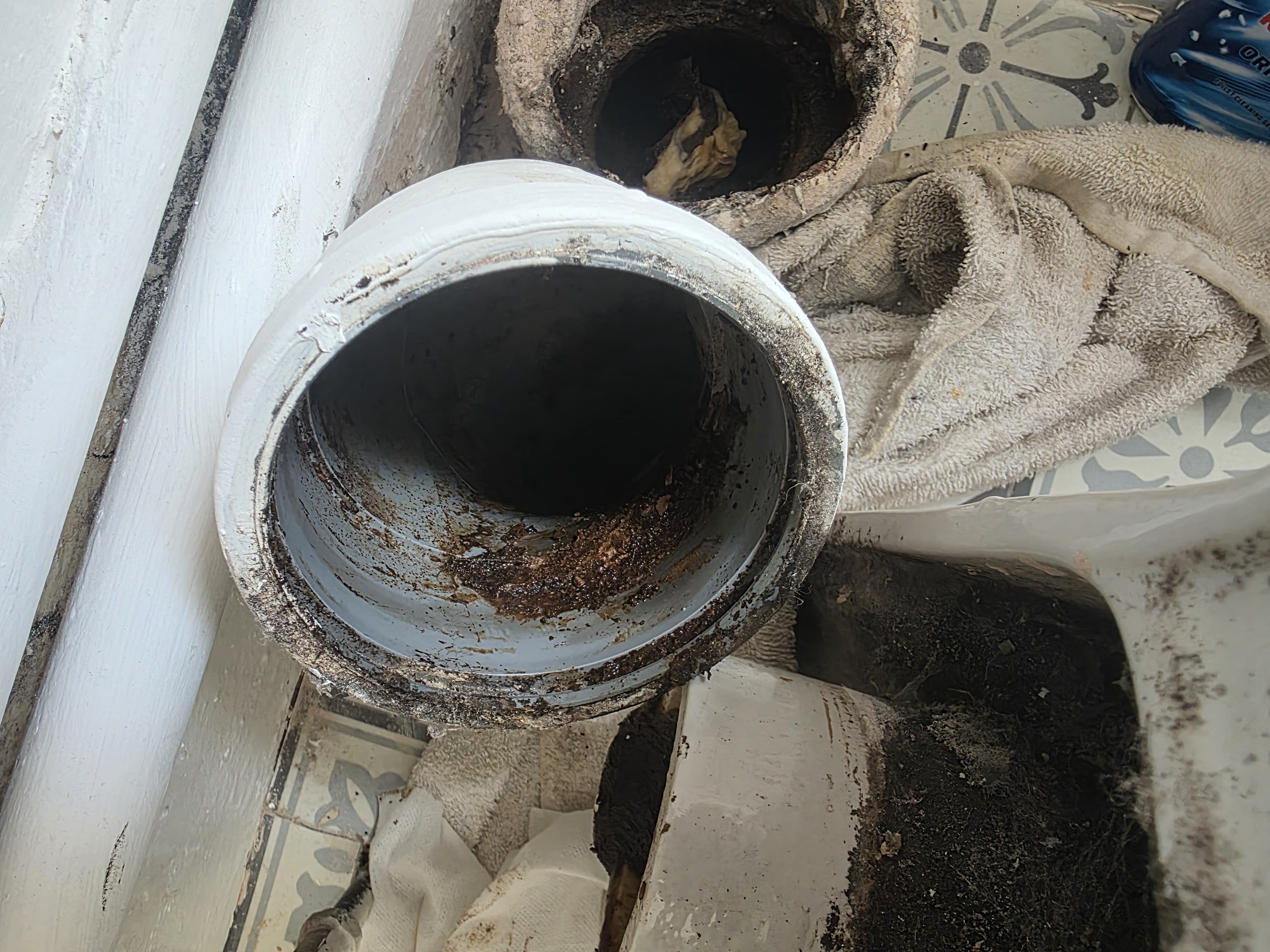
Waste fitting missing a seal

Waste fitting faults

A missing or poor seal on a waste, trap or overflow can leak only when water is draining away.
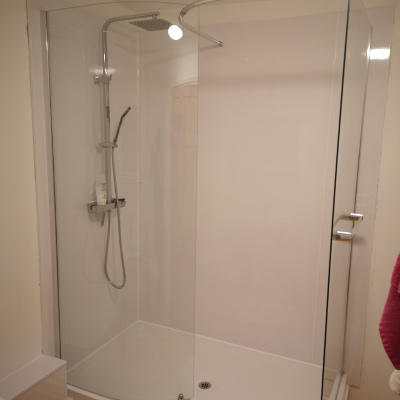
Walk-in shower installation

Good containment matters

The screen, tray, fall and splash area need to suit how the shower is used, not just look correct when dry.

Common causes

Most bath and shower leaks fall into a few groups

Old or poorly applied silicone
Silicone can split, lift, go mouldy, hide gaps or fail where the bath or tray moves.
Poor support under the bath or tray
Movement breaks seals and can make a leak appear only when someone stands in the shower or the bath is full.
Loose tiles, cracked grout or failed boards
Water can get behind tiles and travel before appearing as a stain, damp patch or swollen flooring.
Wrong or poorly fitted bath/shower screen
The screen type, position and hinge matter. Some setups leak because water is directed past the bath edge.
Unsealed screen or cubicle brackets
Water can track behind profiles and brackets if they were not sealed properly during fitting.
Waste, trap or overflow leaks
These often show when water is draining or when the bath is filled high enough to reach the overflow.
Constant supply-side leaks
If water appears without anyone using the bath or shower, suspect tap connectors, flexible hoses, wall valve pipework or hidden feeds.
Shower curtains and splash escape
A ripped or badly positioned curtain can cause real damage if water regularly escapes onto the floor.

Screens and seals

Resealing is not always the full repair

Fresh silicone can help when the problem is only a tired seal. It will not fix a bath that moves, a shower tray without proper support, a screen in the wrong place or water tracking behind brackets.

  • Do not keep using the shower to test it repeatedly if water is reaching a ceiling below.
  • Check whether the seal opens when weight is put on the bath or tray.
  • Look for water tracking behind screen profiles, not just along the bottom edge.
  • On some flat bath edges, a hinged screen can leak by design if water runs through the hinge or past the bath roll.
  • The correct screen type and position can matter as much as the sealant.

Wastes and overflows

Some leaks only happen when water drains

A bath or shower can look dry while in use, then leak when the waste pipe, trap or overflow is carrying water. This is why the timing of the leak is important.

  • If it leaks while draining, suspect the waste, trap, pipework or overflow connection.
  • If it leaks while showering but not when draining, suspect screens, seals, tiles, valve pipework or splash escape.
  • If it leaks when the bath is full, movement and overflow connections become more likely.
  • If the ceiling below is wet, stop using the bath or shower until the source is confirmed.

Constant leaks

Some bath and shower leaks are live pipework problems

If a leak appears when the bath or shower has not been used, it is less likely to be splash water or a waste leak. It may be on the pressurised pipework feeding a tap, shower valve or bath filler.

  • Flexible tap hoses can leak, split, kink or fail with age.
  • Tap connectors and fibre washers can eventually weep or fail.
  • Pipework feeding concealed wall valves can leak inside the wall.
  • Concealed shower valves and bath filler controls can hide the source until damage appears below or behind tiles.
  • Bath taps fitted against a wall or at the back of a bath can be very difficult to access when they leak or need replacing.
  • Back-of-bath taps are poor practice unless access has been planned or the tap can be serviced from above.
  • Some deck-mounted taps use separate mounting stems, so the tap body can be removed from above, but the pipework below can still be the weak point.
  • If flexible hoses or fibre washers are hidden with no access, a small repair can become a much bigger job.

What to do

Practical steps before a visit

Leak appears after showering
Stop using the shower. Photograph the screen, tray, silicone, tile edges, shower valve and the damage below.
Leak appears after bath use
Photograph the bath waste, overflow, taps, bath panel area and any screen or curtain arrangement.
Water is near electrics or a ceiling is bulging
Keep clear, stop using the fixture and call for help. Do not poke or drain a bulging ceiling yourself.
You are in a flat or rental property
Tell the landlord, managing agent or neighbour below if damage may be spreading. Photos and timing help.
The leak returns after resealing
Assume there is movement, poor installation, a screen issue, hidden damage or a waste/overflow fault to find.

Bath or shower still leaking?

Take photos of the damage, the screen, silicone, tray or bath edge, and the room below if affected, then call or request an appointment.

Useful links

Request Appointment Call  07498 964 660