Leak and water damage advice

Signs of leaks and water damage in your home

Small stains, swollen boards, loose silicone and a dropping boiler pressure can all be early warnings. The useful question is not just what you can see, but when it appears.

Reviewed by Pompey Plumb Ltd. Last reviewed 24 June 2026.

  1. Keep away from wet electrics and sagging ceilings.
  2. Stop using the fixture that seems linked to the mark.
  3. Turn off the water if there is active leaking.
  4. Take photos before cleaning or drying the area.
  5. Call for help if damage is spreading or water is dripping.

First checks

What kind of leak sign are you seeing?

Ceiling stain or drip

Think about the room above it and what was used before the mark appeared: shower, bath, toilet, basin, heating or cylinder.

Bathroom floor damage

Swollen boards, loose tiles, damaged bath panels or stained flooring can point to shower, bath waste, overflow or silicone failure.

Boiler pressure drops

A sealed heating system losing pressure can mean a radiator valve, pipework, boiler component or hidden heating leak.

Intermittent marks

If a stain dries out then returns, the timing matters. It may only leak when a specific fixture is used.

Photo guide
Leak and water damage signs to take seriously

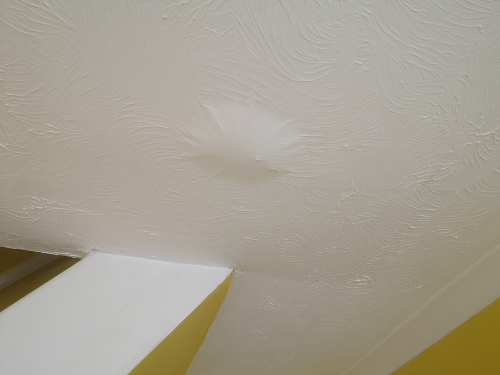
Water stain on a ceiling below a leak

Ceiling stains

Brown, yellow or damp ceiling marks can come from a plumbing leak above, but timing helps separate plumbing from roof or rainwater issues.
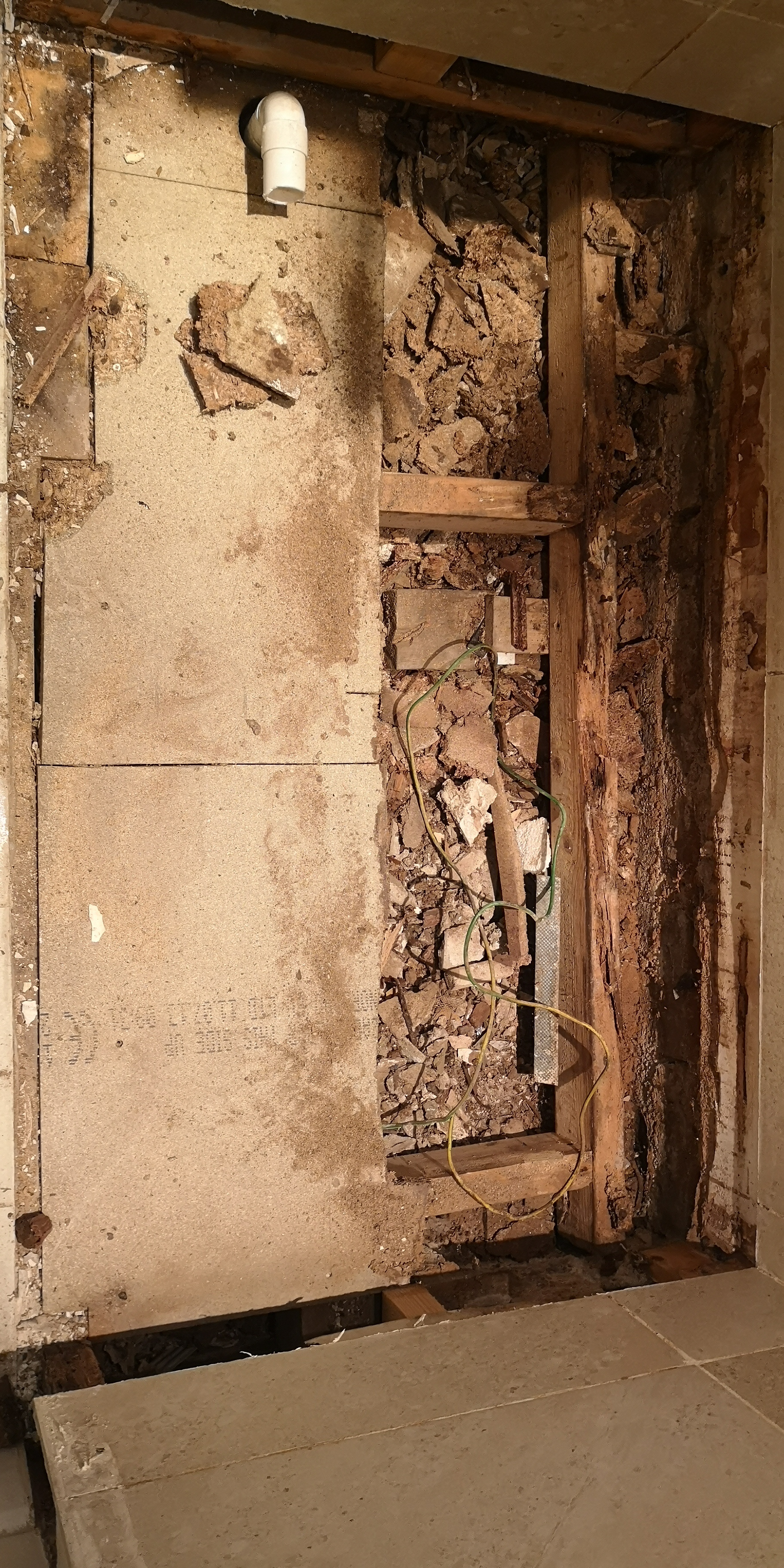
Water damage from a shower tray leak

Shower tray damage

Failed silicone, tray movement, loose tiles or a leaking shower waste can damage boards before water appears below.
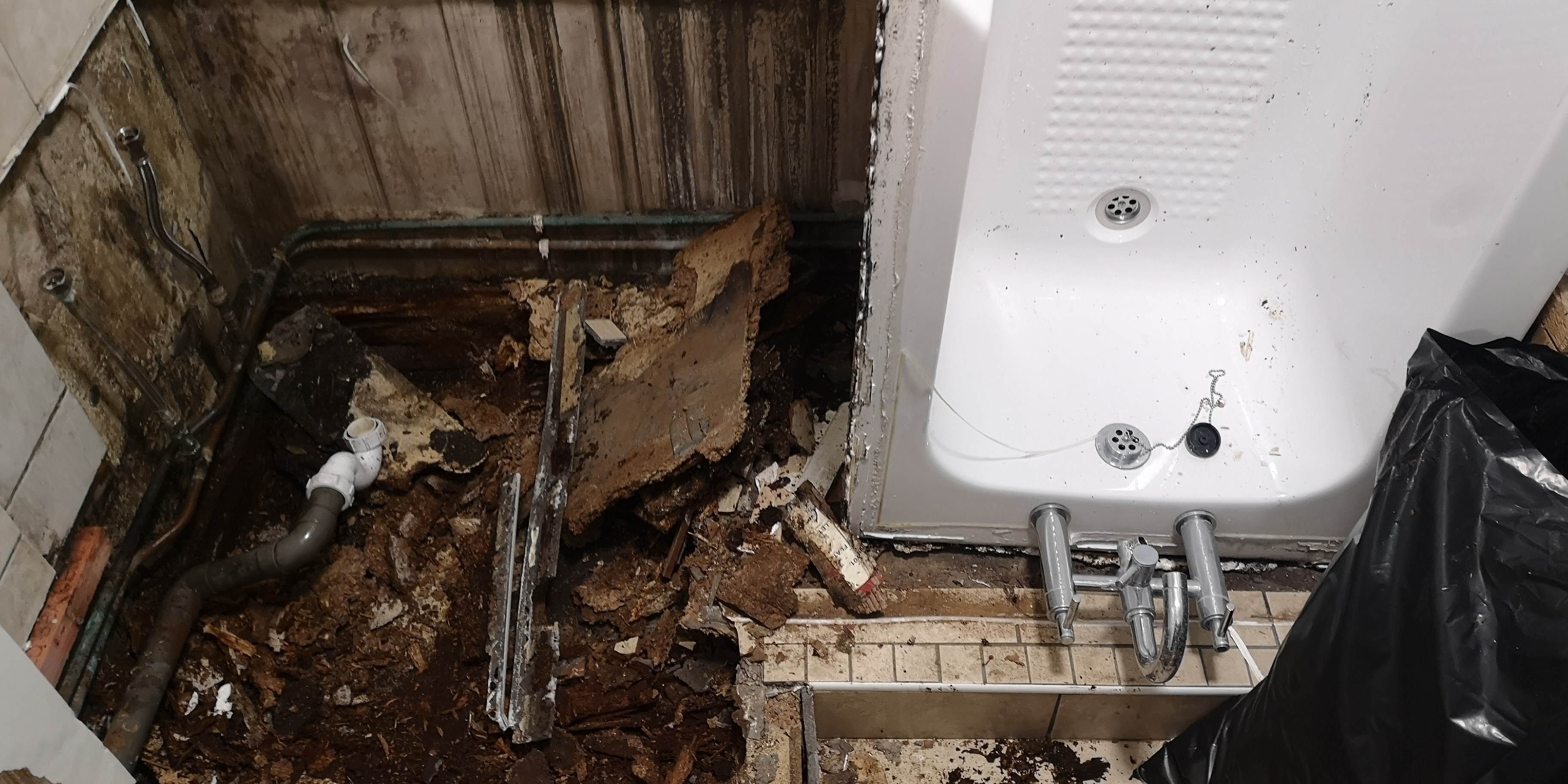
Excessive water damage under a bath

Under-bath damage

Bath waste seals, overflow connections, shower screens and poor silicone can leak every time the bath or shower is used.
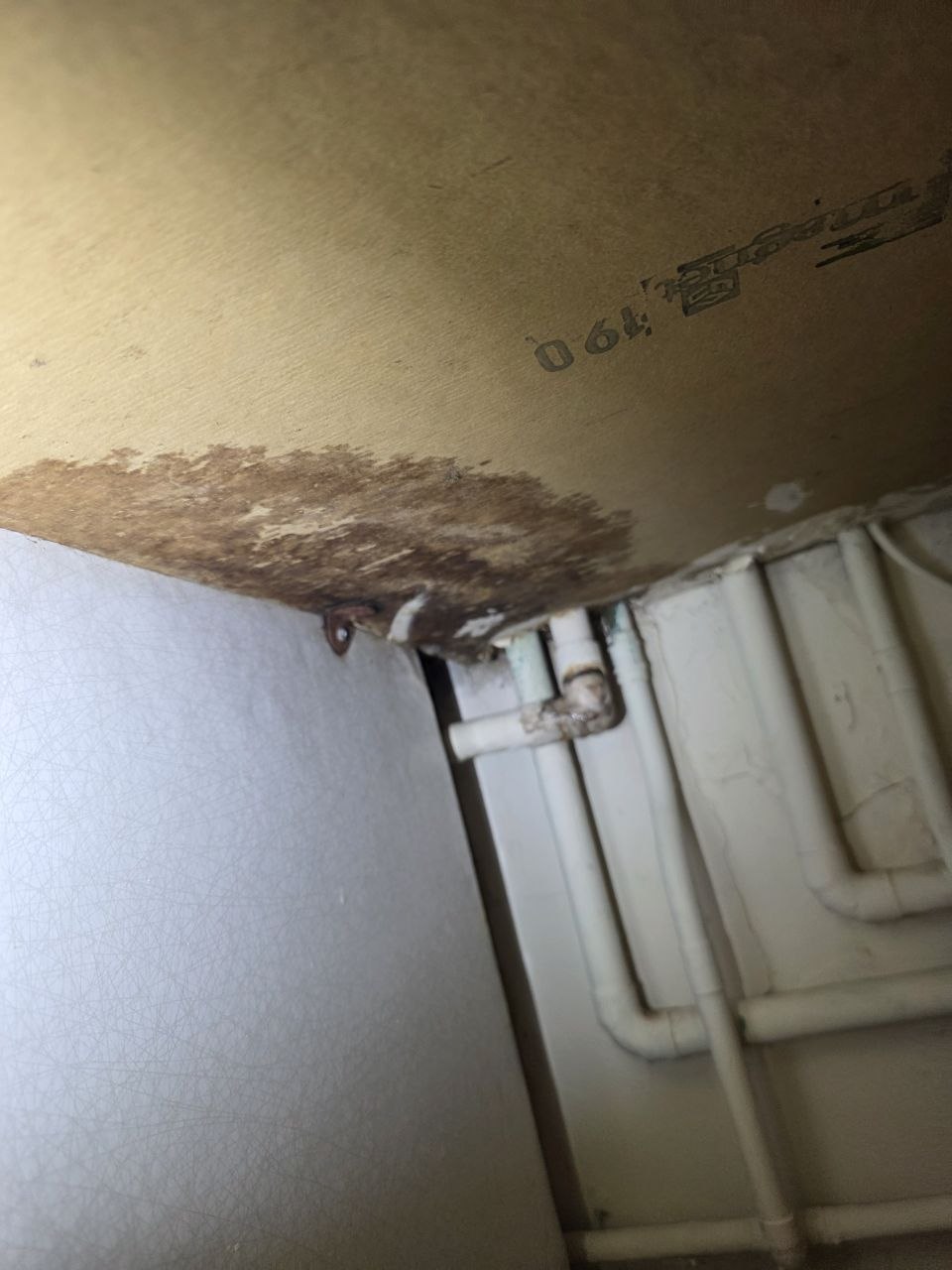
Water damage to the underside of a kitchen worktop

Swollen worktops

Damage under a kitchen worktop can point to sink seal failure, tap leaks, appliance hoses or water running behind units.
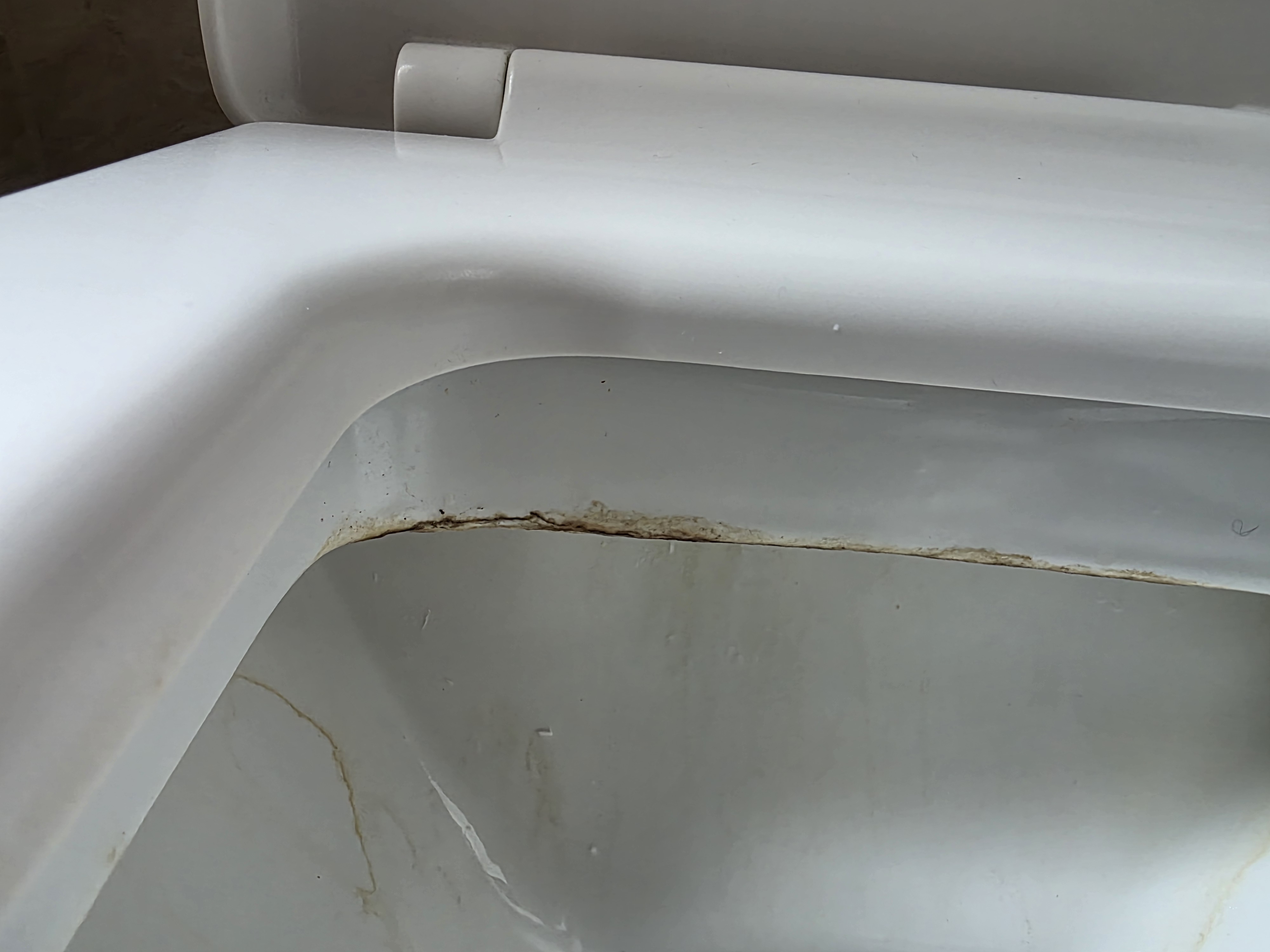
Staining caused by a toilet leak

Toilet staining

Small stains around a toilet can mean a flush valve, pan connector, cistern seal, inlet valve or overflow problem.
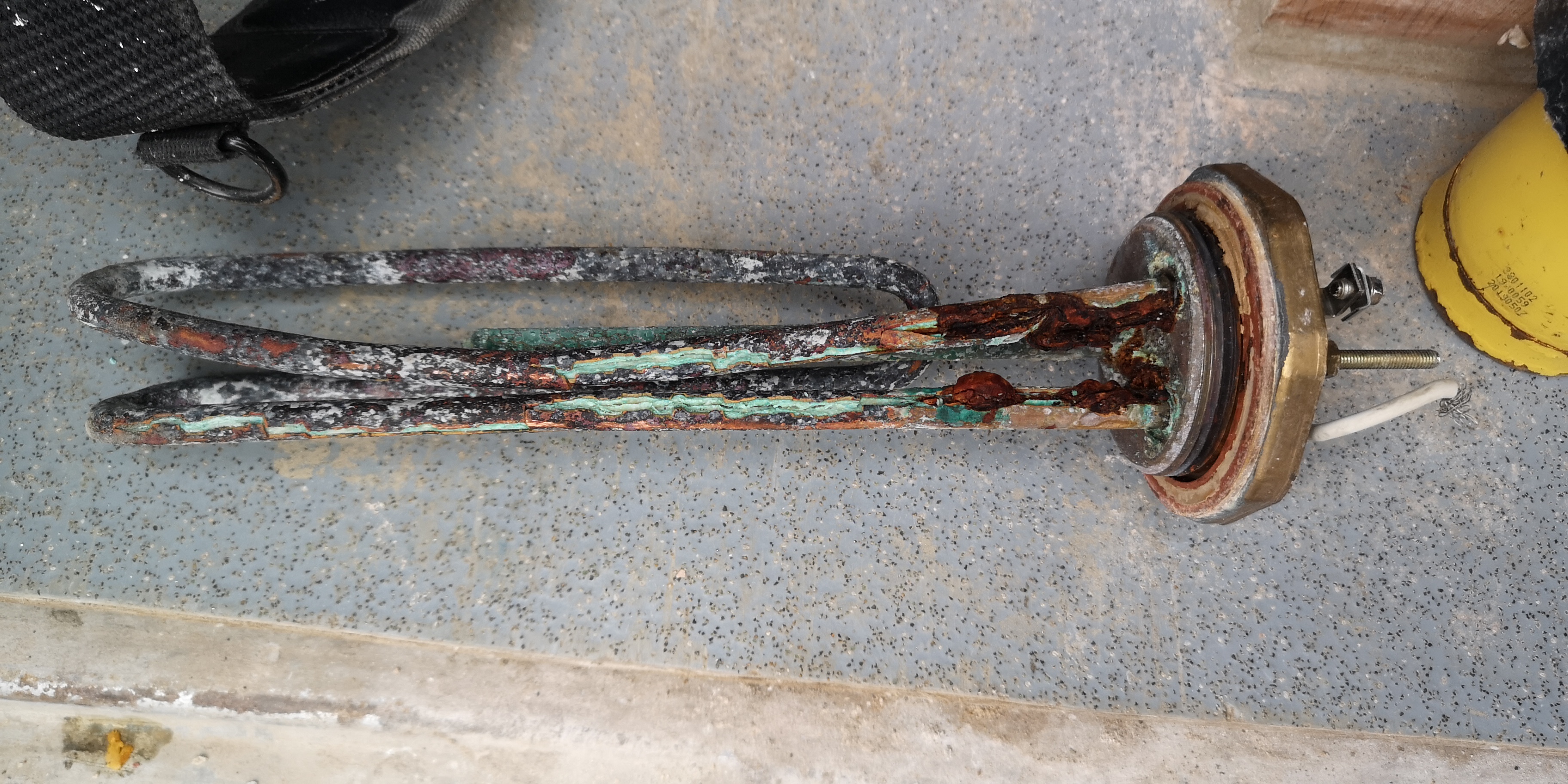
Scaled and leaking immersion heater removed from a cylinder

Corrosion and scale

Green staining, rust marks, limescale and damp around cylinder parts can be early signs of a leak or failing component.
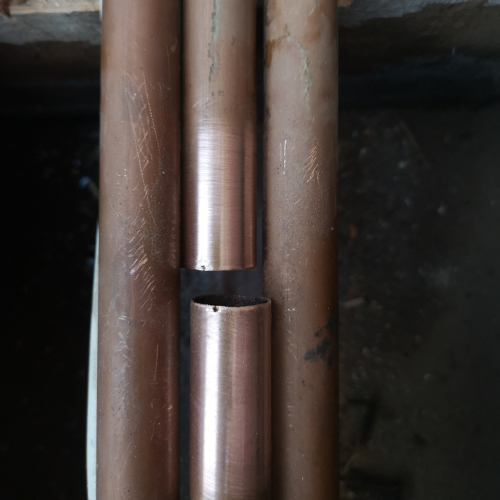
Heating pipe leak being repaired

Heating leaks

Heating leaks may only show when the system is hot or under pressure. A dropping pressure gauge is a useful clue.
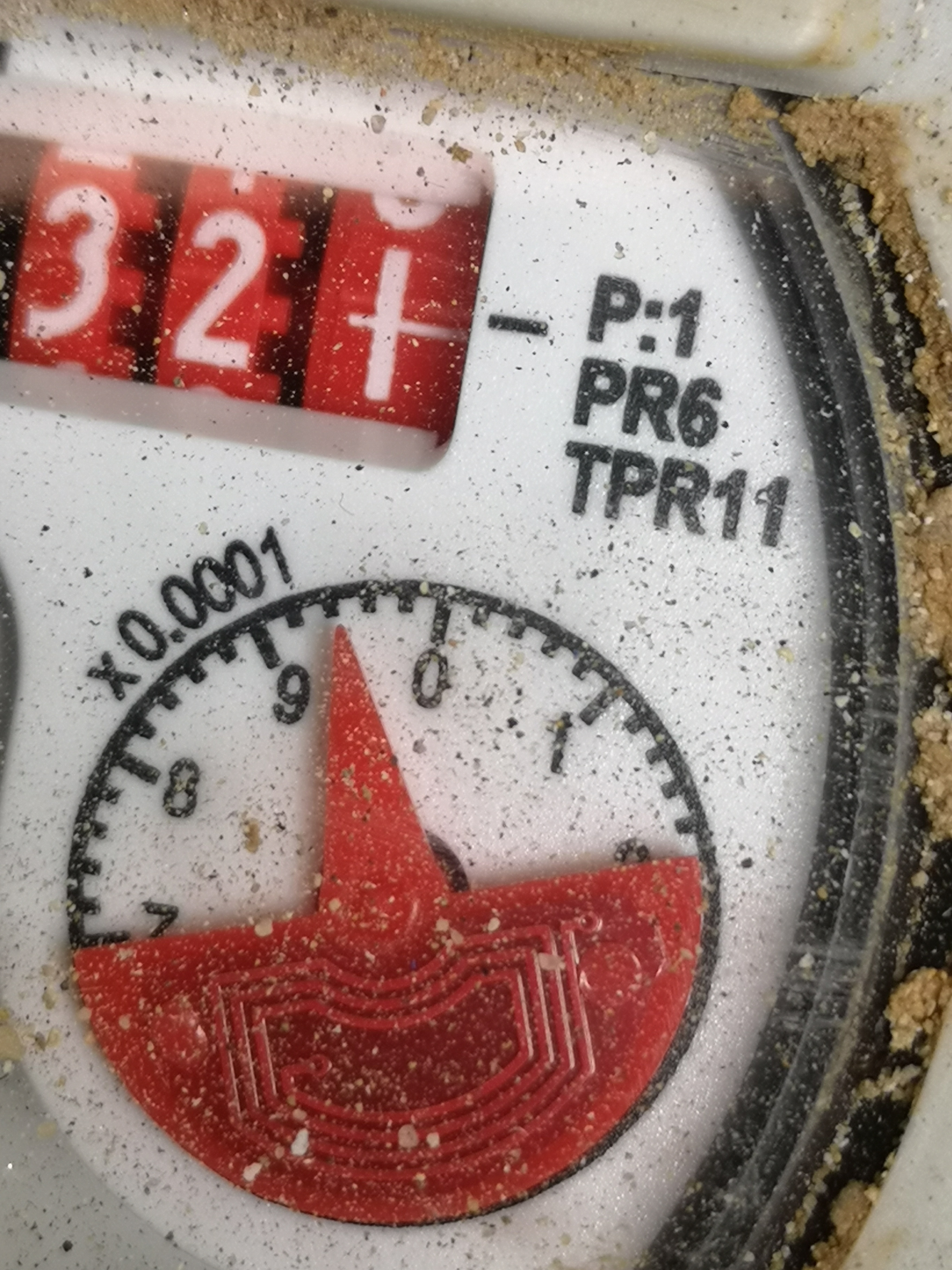
Water meter dial used to check for hidden water use

Water meter movement

If the meter moves when no water is being used, there may be a leak on the cold-water supply or a fixture passing water.

Narrow it down

Match the sign to when it happens

Gets worse after showering
Check silicone, tray movement, loose tiles, shower waste, screen position, cubicle brackets and pipework behind the valve.
Gets worse after a bath is used
Think bath waste, overflow, taps, bath movement, poor screen fit, damaged shower curtain or water running down the side of the bath.
Gets worse after flushing
Look at toilet pan connector, flush pipe, close-coupled seal, cistern bolts, overflow or waste connection.
Boiler pressure keeps dropping
Could be a heating pipe, radiator valve, boiler part, pressure relief pipe, expansion issue or hidden heating leak.
Meter moves when nothing is on
Turn off known appliances and taps, then check for toilet fill valves passing, hidden mains leaks or outside tap issues.
Only appears during rain
This may be roof, gutter, pointing, external wall or window-related rather than plumbing. Timing matters.

What to do now

Reduce damage while you work out the source

  • Stop using the likely fixture until it has been checked.
  • If water is actively leaking, turn off the nearest isolation valve or the main stop tap.
  • Open cupboards, bath panels or access panels only if it is safe and does not cause more damage.
  • Take photos and short videos for your plumber, landlord, managing agent or insurer.
  • Move belongings away from the leak path if it is safe.
  • Do not paint over a stain until the source has been found and the area has dried properly.

When it is urgent

Do not wait if the risk is increasing

  • Water is dripping through a ceiling or light fitting.
  • The ceiling is bulging, sagging or feels soft.
  • Water is near sockets, switches, appliances or the consumer unit.
  • The leak affects a flat below, neighbouring property or shared area.
  • The water is dirty, smells bad or may involve toilet waste.
  • You cannot turn the water off or the leak continues after isolation.

Baths and showers

Many bath and shower leaks are installation problems

Bath and shower leaks are not always caused by a failed pipe. They often come from water escaping past the parts that are meant to contain splash water: silicone, screens, trays, tiles, wastes and overflows.

  • Old, split, missing or poorly applied silicone sealant.
  • Baths or shower trays that move because they are not supported properly.
  • Loose tiles, cracked grout or water getting behind tiles.
  • Poorly fitted bath screens, shower screens or cubicle brackets.
  • Screen brackets or profiles that were not sealed properly behind the fixing.
  • Screens fitted in the wrong position, especially where water can run past the bath roll or hinge.
  • The wrong type of screen for the bath shape.
  • Leaking traps, wastes or overflow connections.
  • Damaged or ripped shower curtains letting water escape onto the floor.
  • Water escaping only when someone stands in the shower or the bath is full.

Portsmouth and Southsea homes

Why small signs can matter in flats and older properties

Converted houses and flats
Pipe routes can be shared, boxed in or hard to trace. A small leak may appear in a different room or another flat.
Older bathrooms
Baths and shower trays can move, silicone can fail, and old wastes may leak only when someone stands in the shower or fills the bath.
Kitchen units and worktops
Leaks under sinks, taps, appliance hoses or waste fittings can swell worktops and cabinets before water reaches the floor.
Hidden heating pipework
A sealed heating system can lose pressure slowly, especially if the leak is under flooring or in boxing.
Landlords and tenants
Report early with photos, timings and what was being used. That helps decide whether the issue is urgent and who needs access.

Found a stain, drip or swollen surface?

Take clear photos of the mark, the room above, nearby pipework and any valves, then call or request an appointment.

Useful links

Request Appointment Call  07498 964 660